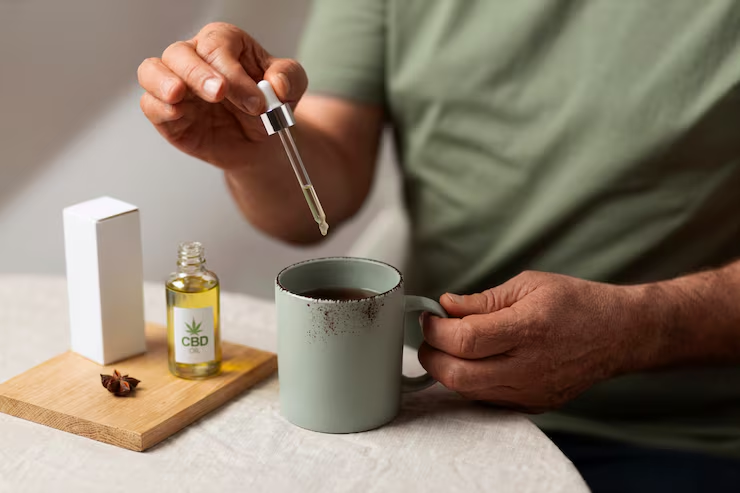
Post-workout recovery makes or breaks whether training actually produces gains or just injuries. Muscle soreness, inflammation, and crappy rest all limit athletic progress, no matter what fitness level someone operates at. CBD oil has wedged into recovery protocols for athletes and regular gym people hunting for natural alternatives to standard pain meds. Inflammation, pain perception, and sleep quality are disturbed by this compound. It helps athletes decide whether CBD help them recover. For deeper information on CBD applications, consider additional reading from solid sources.
Athletic recovery involves messy biological processes, fixing exercise-damaged muscles, knocking down inflammation, and restoring energy systems. Several recovery pathways are affected simultaneously by CBD oil’s interactions with cannabinoid receptors. It remains difficult to determine optimal dosing and application.
Inflammation reduction mechanisms
Exercise creates controlled inflammation as muscles tear microscopically during challenging training. This inflammation triggers repair processes. A high inflammation level causes dragged-out soreness, longer recovery stretches, and increased injury vulnerability. CBD oil shows anti-inflammatory properties through multiple pathways to affect inflammatory cytokine production.
Studies reveal CBD knocks down pro-inflammatory markers while supporting anti-inflammatory signaling. This modulation differs from NSAIDs, which broadly suppress inflammation, potentially messing with beneficial adaptive responses. CBD appears to selectively hit excessive inflammation while keeping necessary inflammatory signals for muscle adaptation intact. Athletes taking CBD oil report less muscle soreness and faster return to training capacity versus recovery without supplementation. It targets joint inflammation common in high-impact activities. Training cycles lead to joint stress among runners, weightlifters, and combat athletes. CBD’s system-wide anti-inflammatory action addresses this accumulated stress, potentially cutting chronic joint problems developing from repeated training stress.
Pain perception modulation
Post-workout pain caps training frequency and intensity. When muscles are sore after brutal exercise, they’re unusable or difficult to perform. It influences pain perception by acting on vanilloid receptors, serotonin receptors, and adenosine receptors. The brain still processes pain information despite these interactions:
- Pain intensity drops without total numbness, preserving injury warning signals
- Pain relief extends for several hours after taking it
- Minimal mental fog, unlike opioid pain medications
- Non-addictive properties dodging dependency worries with long-term use
Athletes keeping consistent training schedules benefit from pain management, allowing regular workout adherence without excessive pharmaceutical intervention. CBD delivers middle-ground pain relief between suffering through discomfort and popping medications carrying heavy side effects or addiction potential.
Muscle tension relief
Muscle tightness following intense training cuts flexibility and bumps up injury vulnerability. Tight muscles yank joints into wonky positions, creating movement dysfunction and compensatory patterns. Topical CBD application combined with oral supplementation addresses muscle tension through localized inflammatory effects. It allows athletes to stretch and move more fluidly, reducing injury risk. It is performed without sedation, allowing normal daily activity while managing muscle tension effectively. Athletes integrating CBD into recovery protocols report faster bounce-back between training sessions, enabling a more consistent progressive overload.
Sleep quality improvement
Recovery happens mainly during sleep when growth hormone secretion spikes and protein synthesis accelerates. Terrible sleep quality directly undermines training adaptations, regardless of whatever workout quality or nutrition optimisation happens. CBD oil improves sleep metrics, including time falling asleep, total sleep duration, and sleep architecture quality. Sleep benefits stem from CBD’s anti-anxiety properties, cutting racing thoughts and mental stress, and blocking sleep onset. Plenty of athletes struggle to sleep after evening training sessions because of elevated cortisol and adrenaline. CBD administration before bed helps transition from an activated training state to a restful recovery state. Better sleep translates straight into improved recovery, strength gains, and injury prevention through adequate tissue repair time.
