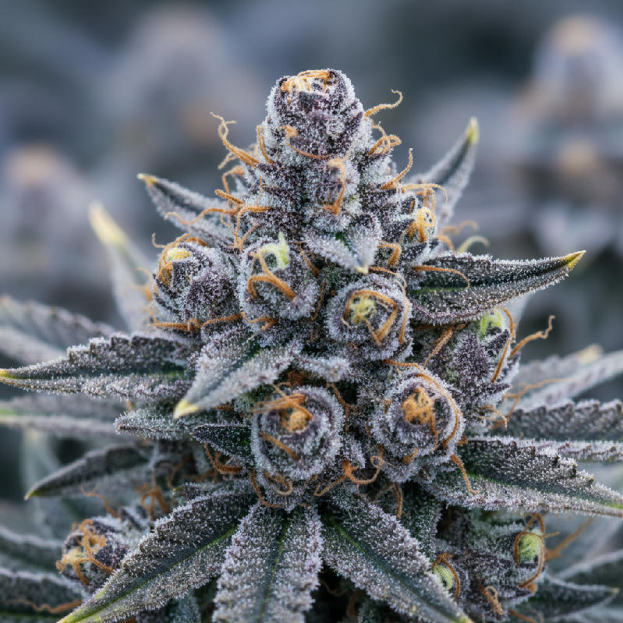
Blue Dream remains one of the most recognized cannabis cultivars in legal markets, but popularity alone should not determine whether it belongs in a particular grow. A buyer still needs to consider expected structure, available height, source credibility, health status, and the conditions the plant will enter after delivery. Searches for blue dream clones for sale should lead to practical evaluation rather than a decision based only on name recognition.
Separate Popularity from Practical Fit
Blue Dream is commonly described as a sativa-dominant hybrid associated with Blueberry and Haze genetics. Its reputation comes from vigorous growth, familiar market recognition, and a tendency to perform well under stable conditions. These qualities can make it appealing to home growers and commercial operators, but they do not remove the need for planning.
A well-known cultivar may still be unsuitable for a low tent, crowded room, or outdoor location with a limited seasonal window. Buyers should measure the usable area and compare it with the plant’s likely mature structure.
Match Structure to the Available Room
A young clone may look compact at delivery, yet Blue Dream is often associated with vigorous vegetative growth and noticeable stretch after flowering begins. The available room should be calculated after accounting for containers, lighting, drainage trays, ventilation, trellising, and safe access.
Growers should leave enough space to inspect the lower stem, move air through the canopy, and reach each container without shifting the entire setup. Crowding can make routine care difficult and create stagnant areas around dense foliage. Product descriptions can offer general guidance, but environmental conditions and management still influence final size.
Verify the Source and Plant Stage
A reputable seller should explain whether the product is a newly rooted clone or a more established teen plant. These stages have different transport, space, and acclimation requirements. A smaller clone may need more time to establish, while a larger plant can require immediate room and support.
The nursery should also maintain accurate mother-stock records. Because Blue Dream has been widely propagated, different cuts may show variation in structure, aroma, and development. Buyers should ask how the supplier labels its genetics and whether mother plants are routinely inspected. Transparent records are more valuable than vague claims about a “classic” phenotype.
Review Health and Testing Practices
Plant health should be assessed above and below the surface. Strong leaves and an upright stem are useful signs, but the root zone is equally important. The plant should feel stable in its container, and the seller should have a process for checking weak rooting, pest activity, unusual spotting, webbing, stem damage, and general stress.
Buyers can also ask whether the nursery screens mother stock for common pathogens, including hop latent viroid. A responsible supplier should explain its testing schedule honestly and avoid implying that one historical test guarantees permanent protection. Clear documentation, routine monitoring, and clean propagation practices provide a stronger basis for trust.
Keep Performance Expectations Realistic
Descriptions of Blue Dream often mention vigorous growth, a flowering period of roughly nine to ten weeks, strong yield potential, and familiar berry or pine notes. These points should be treated as tendencies rather than promises. Light intensity, container size, temperature, humidity, nutrition, training, harvest timing, and post-harvest handling all affect the result.
The same applies to potency, aroma, and consumer experience. A seller should not guarantee a specific effect or medical outcome. Responsible information should make clear that genetics and environment work together.
Review Online Fulfillment Practices
Anyone planning to buy clones online should examine how the nursery prepares living plants for transit. Containers need to remain upright, stems should be protected, and foliage should have enough room to avoid crushing. Buyers should also check delivery timing, weather-related policies, and the reporting window for damage.
The receiving area should be ready before the order arrives. Clean tools, prepared containers or system components, moderate lighting, and a separate observation space can make the transition more controlled. Plants should not remain on a porch, in a hot vehicle, or inside unopened packaging longer than necessary.
Plan for Acclimation
Nursery conditions may differ from the buyer’s final environment. A plant raised under moderate lighting and controlled humidity may react poorly if moved immediately into intense light, dry air, or strong feeding. A gradual transition allows the grower to observe how the clone responds before making major changes.
Watering should be based on the actual moisture level of the medium rather than a rigid schedule. The container may already be saturated after transit. During the first days, growers should monitor leaf posture, color, root-zone moisture, temperature, humidity, and new growth.
Prepare for Stretch and Canopy Management
Blue Dream is often associated with strong vertical development. Growers should plan support before the plant begins to crowd the room. Trellising, spacing, and selective canopy management may help keep branches organized and improve access for inspection.
The aim is to create a structure that suits the available room. Early planning is easier than correcting a crowded canopy later.
Use Records to Compare Performance
The plant label, order confirmation, arrival photographs, and cultivation notes should be kept together. Records can show how the plant responded to acclimation, how much space it required, and whether the listing matched the plant received.
This information is useful for future purchases. It helps separate supplier-related concerns from problems that developed after the plant entered a new environment. Commercial growers can also use these records to compare batch consistency and fulfillment quality.
Confirm Legal Suitability
The popularity of a cultivar does not change the rules governing possession, transfer, delivery, or cultivation. Buyers should verify current state, city, county, property, and licensing requirements before ordering. Commercial activity may involve inventory records, authorized transport, and other obligations that do not apply to personal cultivation.
Final Thoughts
Blue Dream can be a practical choice when its expected structure, growth rate, and cultivation needs fit the buyer’s environment. The decision should be based on source credibility, plant stage, health standards, transport practices, available space, and legal suitability rather than popularity alone.
Careful preparation gives the plant a better transition and gives the grower clearer expectations. When the supplier provides accurate information and the receiving environment is ready, a vigorous cultivar becomes easier to manage from the first day onward.